ERP and CRM are both essential systems for businesses worldwide. And it is common for people unfamiliar with all the acronyms to mistake the two. They serve distinctly different purposes and excel in specific areas. Understanding the nuances between ERP and CRM systems can help your company optimize workflows, improve decision-making, and maximize growth potential.
This article delves into the core functionalities, advantages, and limitations of each system, comparing them to help you make an informed decision tailored to your team’s unique needs.
What is ERP?
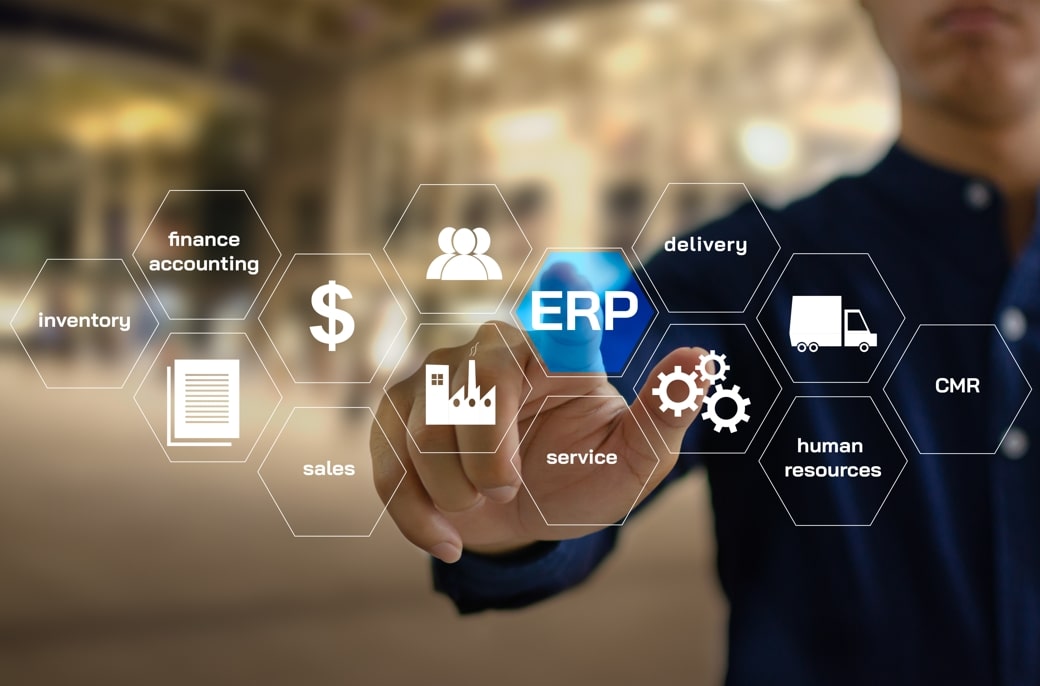
ERP, or Enterprise Resource Planning, is a type of business management software designed to integrate and streamline essential functions within an organization. It serves as a central hub that connects areas like finance, procurement, human resources, inventory, and production, enabling a company to operate as a cohesive unit. By consolidating various business processes into one system, ERP software provides a unified view of an organization’s operations, ensuring smoother communication, reduced redundancies, and improved efficiency.
Pros of ERP
- Data management: One of ERP’s greatest strengths is its ability to centralize data across multiple departments, providing a single source of truth. This eliminates data silos and reduces inconsistencies, enabling decision-makers to make informed choices based on accurate, real-time information.
- Operational efficiency: ERP systems automate repetitive tasks, such as inventory management, order processing, and payroll calculations. This reduces the need for manual intervention and frees up resources for more strategic activities, allowing businesses to operate more smoothly.
- Scalability: ERP solutions are designed to grow with your business. Many systems allow for modular expansions, meaning you can add functionalities like warehouse management or advanced analytics as your business needs evolve.
- Regulatory compliance: Many ERP systems come with built-in tools to help businesses stay compliant with industry regulations, such as financial reporting standards or supply chain mandates. Automated auditing features make tracking compliance a seamless process.
- Forecasting and planning: By offering detailed insights into operational data, ERP software aids in forecasting and strategic planning. For instance, businesses can better predict inventory needs, revenue projections, and labor requirements, reducing overstocking or under-resourcing.
Cons of ERP
- High implementation costs: The upfront cost of ERP systems—including software, hardware, and consulting services—can be substantial, particularly for smaller businesses. Even cloud-based solutions, while more affordable, can incur significant costs for customizations and add-ons.
- Complex implementation process: Integrating an ERP system into existing workflows is no small feat. It requires thorough planning, extensive training, and sometimes even process overhauls. The implementation phase can take weeks to months and often demands significant internal resources.
- Steep learning curve: ERP systems are complex, and mastering their full capabilities can take time. Employees may require dedicated training sessions to learn how to use the software effectively, which can temporarily disrupt productivity.
- Potential rigidity: While ERP systems are highly customizable during initial setup, they can sometimes struggle to adapt to quick changes once implemented. This rigidity can be a drawback in fast-moving industries that need to pivot frequently.
- Dependence on vendor support: Since ERP systems are often developed and maintained by external vendors, businesses may need to rely on those vendors for updates, troubleshooting, and customizations. This can lead to recurring costs and occasional delays in resolving issues.
ERP systems are an invaluable asset for businesses looking to streamline their operations and ensure all departments are aligned. However, their complexity and cost mean they are best suited for organizations prepared to invest the time and resources required for successful implementation.
See SMO in action
Try our solutions with zero commitment
What is CRM?
CRM, or Customer Relationship Management, is a category of software that focuses on managing and enhancing a company’s interactions with its customers. At its core, CRM systems are designed to organize, automate, and synchronize sales, marketing, and customer service activities. They enable businesses to gain a 360-degree view of their customer base, fostering stronger relationships and improving customer satisfaction.
Unlike ERP systems, which are primarily concerned with internal operations, CRM systems place the customer at the center. They help track customer behavior, manage sales pipelines, and provide tools to personalize interactions—all of which contribute to increased retention and sales growth.
Pros of CRM
- Improved customer insights: CRM systems collect and analyze customer data, enabling businesses to understand customer preferences, purchasing patterns, and pain points. This insight helps tailor marketing campaigns and improve the overall customer experience.
- Enhanced communication: With CRM, every customer interaction—from initial inquiries to post-sale support—is documented. This ensures that teams have the context needed to provide consistent, personalized communication at every stage of the customer journey.
- Streamlined sales processes: CRM tools help manage sales pipelines more effectively by tracking leads, automating follow-ups, and forecasting revenue. This ensures that sales teams can focus on closing deals instead of administrative tasks.
- Increased customer retention: By identifying and addressing customer concerns proactively, CRM systems improve satisfaction and loyalty. Features like automated reminders for renewals or follow-ups can significantly enhance retention rates.
- Integration with marketing efforts: Many CRM platforms offer tools to integrate with marketing campaigns, enabling businesses to track the effectiveness of email campaigns, social media efforts, and lead-generation strategies. This integration ensures a cohesive approach to customer acquisition and engagement.
Cons of CRM
- Data dependency: CRM systems require accurate and up-to-date data to function effectively. Incomplete or outdated information can lead to misguided decisions and reduced efficiency.
- Customization challenges: While CRMs are designed to be versatile, tailoring them to suit specific business needs can be complex and time-consuming. Customizations may also require ongoing support from IT teams or vendors.
- Initial setup costs: Although many CRM platforms offer cloud-based solutions with flexible pricing models, the initial setup—including data migration and training—can still be expensive for smaller businesses.
- Over-reliance on technology: While CRM tools are powerful, they should complement rather than replace genuine human interactions. Businesses that rely too heavily on automation may come across as impersonal, negatively affecting customer trust.
- Steep learning curve for advanced features: Though basic CRM functionalities are user-friendly, mastering advanced features, such as analytics and workflow automation, can require significant time and training.
CRM systems are indispensable for businesses that prioritize customer-centric strategies. By providing a comprehensive view of customer interactions, they empower companies to build meaningful relationships, improve service delivery, and drive revenue growth.
ERP vs. CRM
ERP and CRM systems serve distinct but complementary roles in business management. While ERP is primarily designed to improve internal processes, CRM focuses on external customer relationships. Their differences go beyond purpose—they vary in functionality, strengths, and the way they address business challenges. Below are key areas that differentiate the two systems:
Key differences

- Focus areas: ERP centers on the organization’s operational backbone—integrating departments like finance, manufacturing, and inventory to optimize workflows. CRM, on the other hand, revolves around enhancing customer interactions, managing sales pipelines, and improving retention.
- Data flow: ERP tracks internal metrics such as production timelines, order management, and financial reports. CRM focuses on external data, such as customer preferences, communication histories, and marketing campaign effectiveness.
- Users: ERP is commonly used by backend teams like operations, procurement, and finance. CRM is most valuable to sales, marketing, and customer service departments.
- Primary outcome: The goal of ERP is efficiency—to streamline operations and reduce costs. CRM’s main outcome is customer satisfaction, achieved by improving relationships and generating more sales.
Their strength in handling different types of tasks
ERP systems excel in consolidating data from different operational areas, ensuring smoother communication between departments. They are ideal for inventory control, financial tracking, and supply chain management.
CRM, meanwhile, shines in building and maintaining customer relationships. It facilitates personalized communication, simplifies lead tracking, and provides insights that help tailor products and services to customer needs.
Their main goals in helping businesses resolve issues
- ERP resolves inefficiencies in internal workflows, such as overstocking, delayed deliveries, or mismanaged budgets. By providing transparency and automating tasks, it ensures that resources are utilized effectively.
- CRM tackles customer-related issues, such as high churn rates or inconsistent service. By offering tools for detailed customer tracking and engagement, CRM helps businesses retain their clientele and attract new leads.
While ERP and CRM have overlapping functionalities, their unique focuses ensure they address entirely different aspects of a business’s ecosystem.
What kind of system should your team incorporate
Selecting the right system depends on your company’s specific needs and goals. Understanding the nuances between ERP and CRM can help you decide whether to implement one, both, or neither.
Identify your needs
Begin by assessing your organization’s core requirements. For example:
- Are your challenges operational? If you struggle with inventory management, accounting, supply chain oversight, or compliance tracking, an ERP system could be indispensable. It centralizes critical functions, offering enhanced operational clarity.
- Is client management your priority? If building stronger customer relationships, tracking sales leads, or refining marketing campaigns is at the top of your list, CRM is the way forward. It helps nurture connections that convert leads into loyal customers.
Each department in your organization may have varying needs, so ensure diverse perspectives are included during evaluation.
Situations requiring either ERP or CRM
ERP and CRM systems are not interchangeable; each serves unique functions. Here are some examples of when to adopt either system:
ERP system requirements
- Businesses undergoing rapid expansion and needing integrated tools to scale seamlessly.
- Companies managing complex supply chains or multiple production lines.
- Enterprises facing compliance challenges that require automated documentation and reporting.
CRM system requirements
- Organizations looking to streamline their sales funnel for efficiency.
- Businesses aiming to track detailed customer interaction data and improve retention.
- Teams struggling to align marketing efforts with measurable outcomes.
Using both ERP and CRM systems
For many organizations, the answer isn’t ERP vs CRM but integrating both. A dual-system approach provides comprehensive solutions for both operational and customer-focused challenges. Benefits of this approach include:
- Improved data synchronization: Sales data captured by CRM can feed directly into ERP for seamless order processing.
- Enhanced collaboration: Integrated systems foster better communication between departments like sales, customer service, and logistics.
- Scalability: Both tools working together allow businesses to grow without sacrificing efficiency.
Ultimately, whether you choose ERP, CRM, or both, remember to:
- Stay goal-oriented: Map software capabilities to your objectives.
- Consider scalability: Select systems that grow with your business.
- Plan for integration: Ensure that future add-ons or updates can enhance—not disrupt—operations.
A tailored approach based on your unique challenges will help unlock the full potential of these systems.
See SMO in action
Try our solutions with zero commitment
Wrapping up
Choosing between ERP and CRM, or deciding to use both, depends on your organization’s specific challenges and goals. ERP excels in streamlining operations and ensuring business efficiency, while CRM is indispensable for fostering customer relationships and driving sales growth.
By aligning your choice with your needs, planning for integration, and focusing on scalability, you can unlock the full potential of these systems. The right decision will pave the way for a more agile, customer-centric, and operationally sound organization.
 English
  Arabic